Chain Nose Pliers:
Chain nose are the chief utility pliers of rosary making. From making loops to adjusting alignment and making wire wraps and bow ties, you'll use your chain almost constantly while you work on your pieces. Picking a pair that work well for you and work for the task for which you need them is crucial. The very tip of your round nose are where you will use them the most, so the size of this tip has a big effect on their performance and use.
When buying tools for small jewelry work such as this, it is important to look for sizes or measurements on the product page. If you aren't careful, you can buy a much larger set of pliers without ever realizing they are too big. Chain nose in particular often suffer from misrepresented or mislabeled sizes. All chain nose used for rosary making should be smooth, without teeth or texture on the jaws. Below I have listed information about the different kinds we keep on our work desks, and what we use them for.
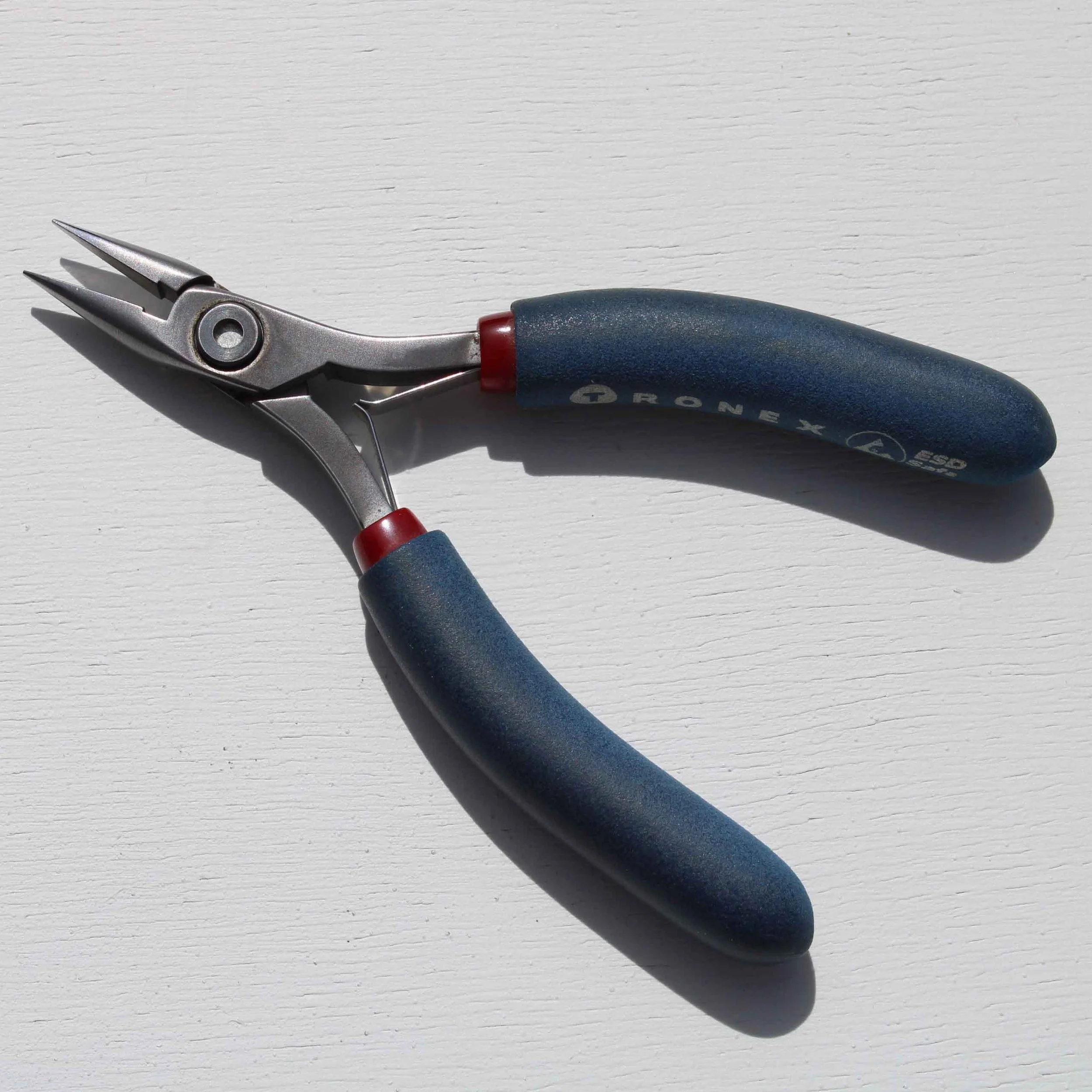
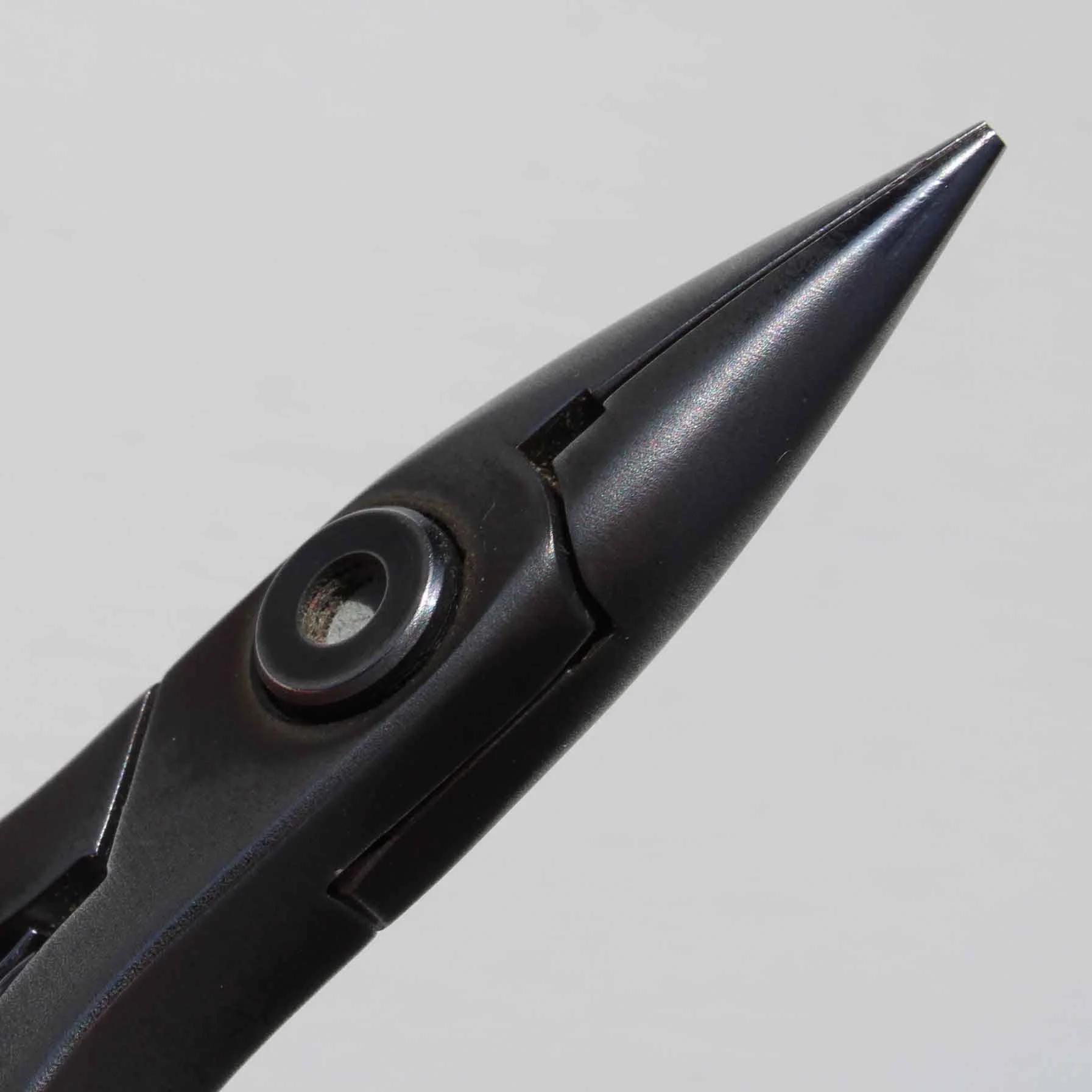
Tronex 513:
These are my staple choice for normal construction and alignment. They are a little bit thicker and more rounded than most chain nose, and have very nicely rounded edges next to the flats (the part you hold things with). The very tip is sturdy and holds securely, making them perfect for closing loops or opening loops back up after they are done to adjust alignment. They work well with 19 and 20 gauge wire, but are too large to make normal loops with thinner wire.
Their thickness makes them nice and stable, however it also makes them poorly suited to wire wrapping or working with very small loops. The broad jaws require you to work at the very tip to make smaller loops, which can take some extra experience and finger strength to do well. They are also on the pricey side, however they are very well made and can be relied upon for years and years.
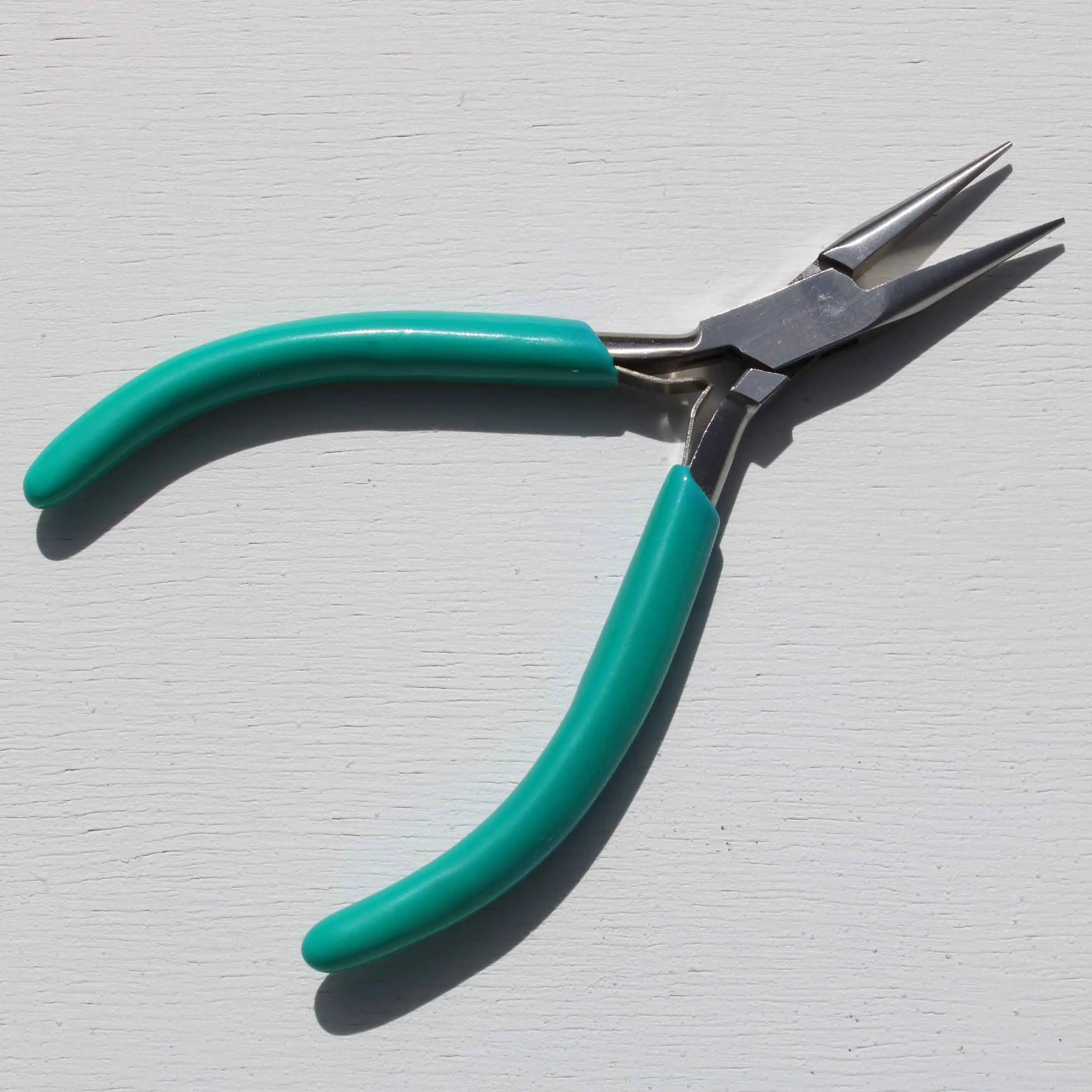
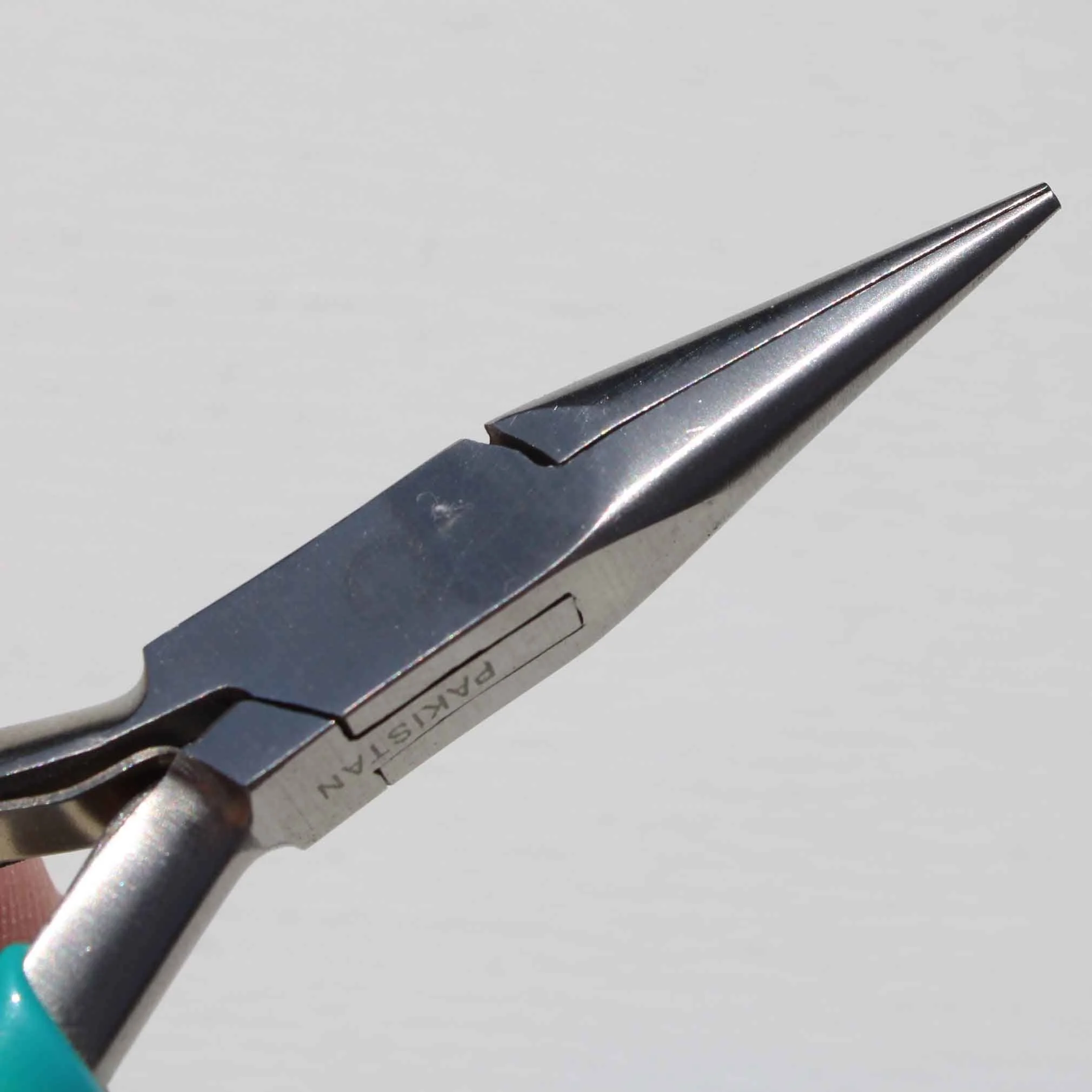
Eurotool Slim Line 4 ½'':
These are a perfect option for wire wrapping and good for working with thinner wire gauges. They are very slim and thin, allowing your work with them to be small, neat, and tight. They are my go to pliers for wire wrapping; their thin profile stays out of the way and allows for easier control of sizing and to fit into the small spaces that go along with wire wraps. They are suitable for working with 20 gauge and thinner wire, and for 22 gauge or smaller wire wraps.
Being a lower end tool, they are nice and affordable but are a little rough around the edges. The flats are not as finely made as some other tools and they can leave marks, dents, or crimps in the wire if you are not careful when you use them for normal looping. The tip is less stable and prone to bending out at the very end, making them more difficult to use if you are not delicate with them.
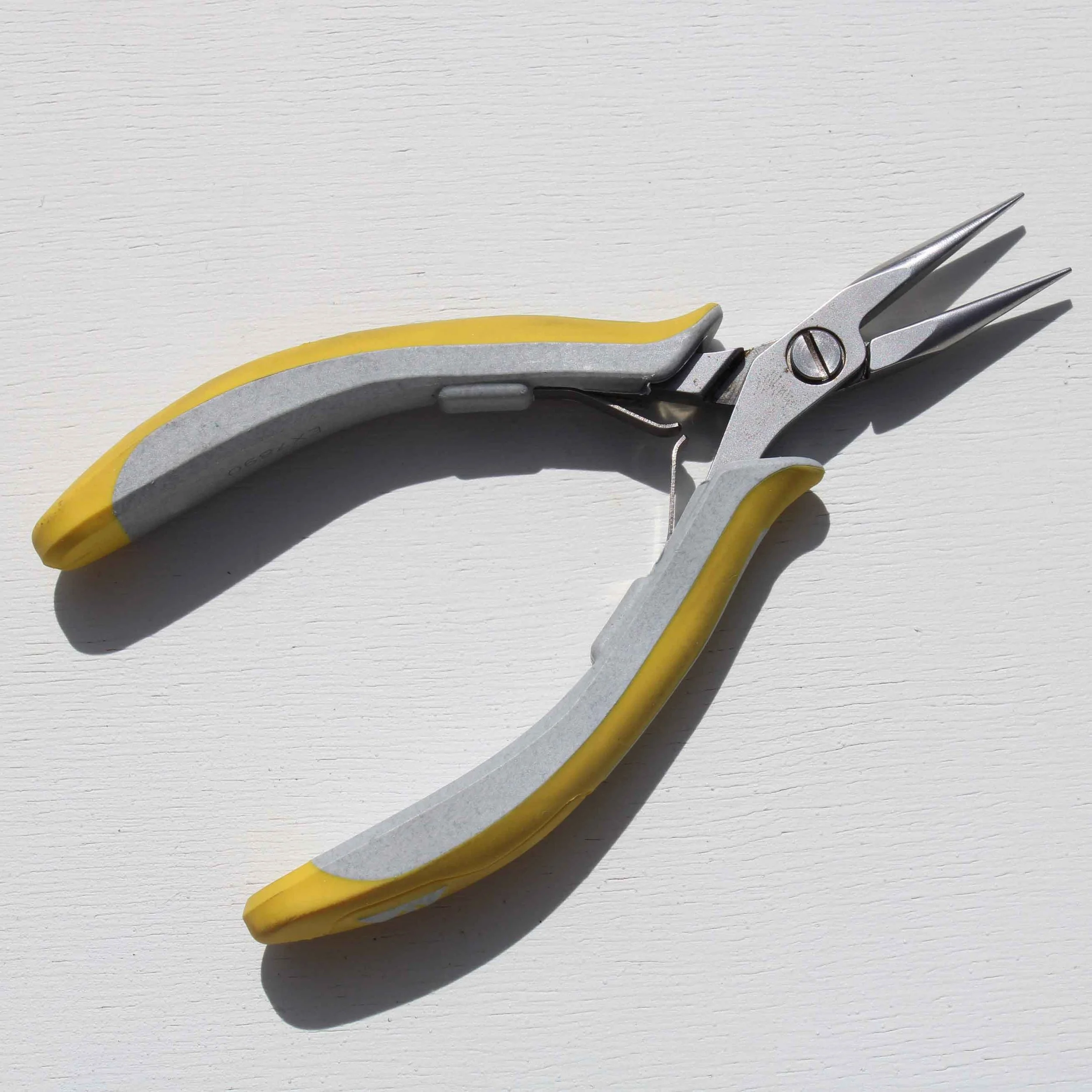
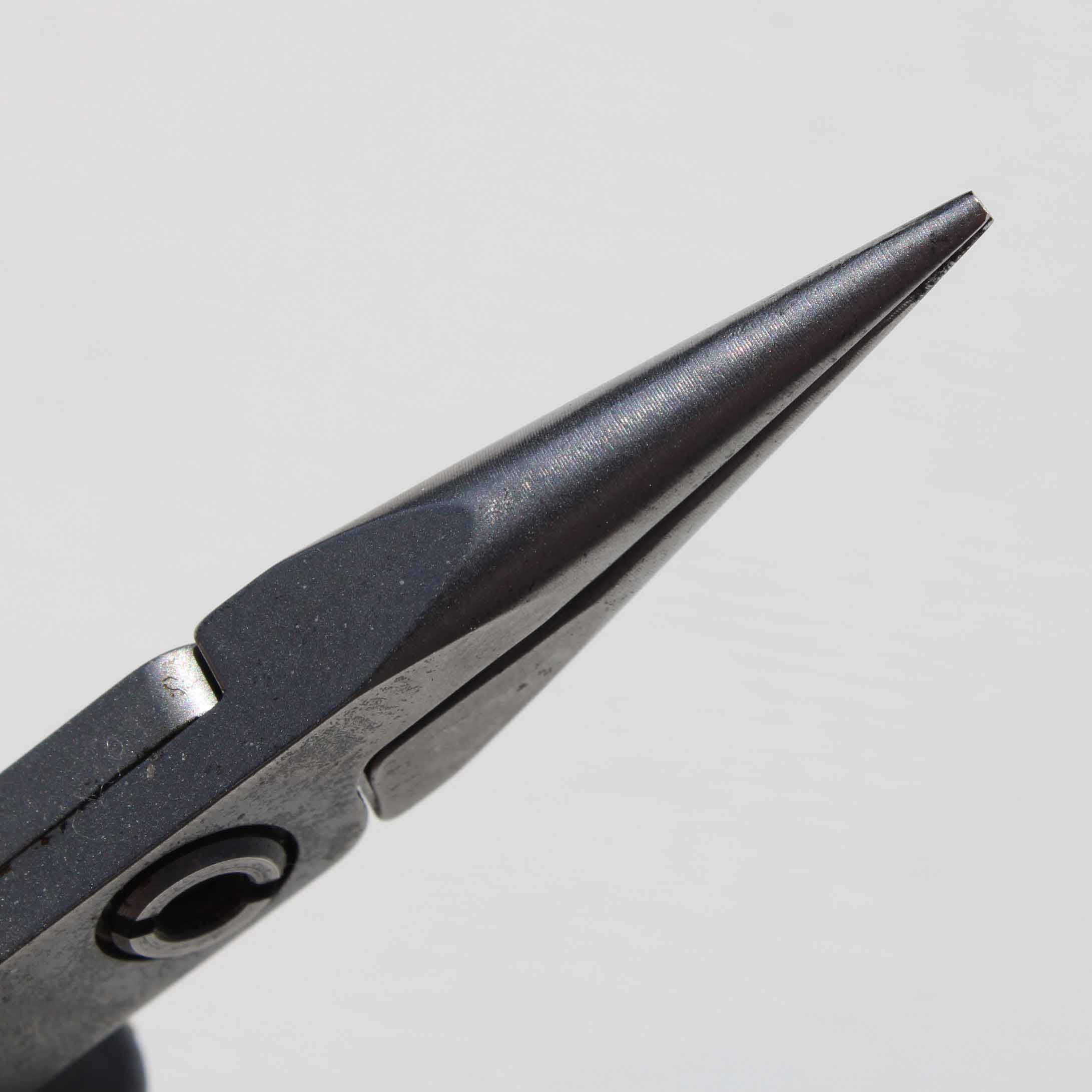
Lindstrom EX7890:
These are a high end chain nose plier, with very nicely made and finished tips, comfortable handles, and a nice thin design with a long taper. The long tapered design allows you to use them a little differently than most chain nose; you can work a little farther up the plier rather than mostly at the tip. They are plenty thin for wire wrapping and the nicely rounded edges don't leave crimps or damage your wire. They are well suited for wire wrapping, looping, or adjusting alignment with most sizes of wire. I mostly use them for 21 gauge wire wraps as their extra strength comes in handy compared to cheaper options.
They are a quite pricey option however, and have some flaws. The long taper means the tips can flex and move a little, and working farther up the plier to get more stability requires a little different technique that may throw you off if you aren't experienced.
Beadsmith Platinum series 4.75'' chain nose:
A finely made and reliable pair of chain nose that strike a nice middle ground between looping and wire wrapping with smaller gauges of wire. They are nicely shaped, with pin-point small tips that fit into even the smallest loops and wire wraps. They are thin and short for stability and don't get in their own way. They are suited to working with smaller gauges of wire, like 20 gauge for looping or 22 and smaller for wire wraps.
The edges of the flats are not rounded, and can leave marks on your wire if you are careless and use too much force. The handles are thin and fit most hands, but are not particularly comfortable to use for a longer periods. They are not well suited to 19 gauge wire, as they aren't really thick enough or stable enough to hold up. These are Mother's personal favorite, and hers never leave her desk.
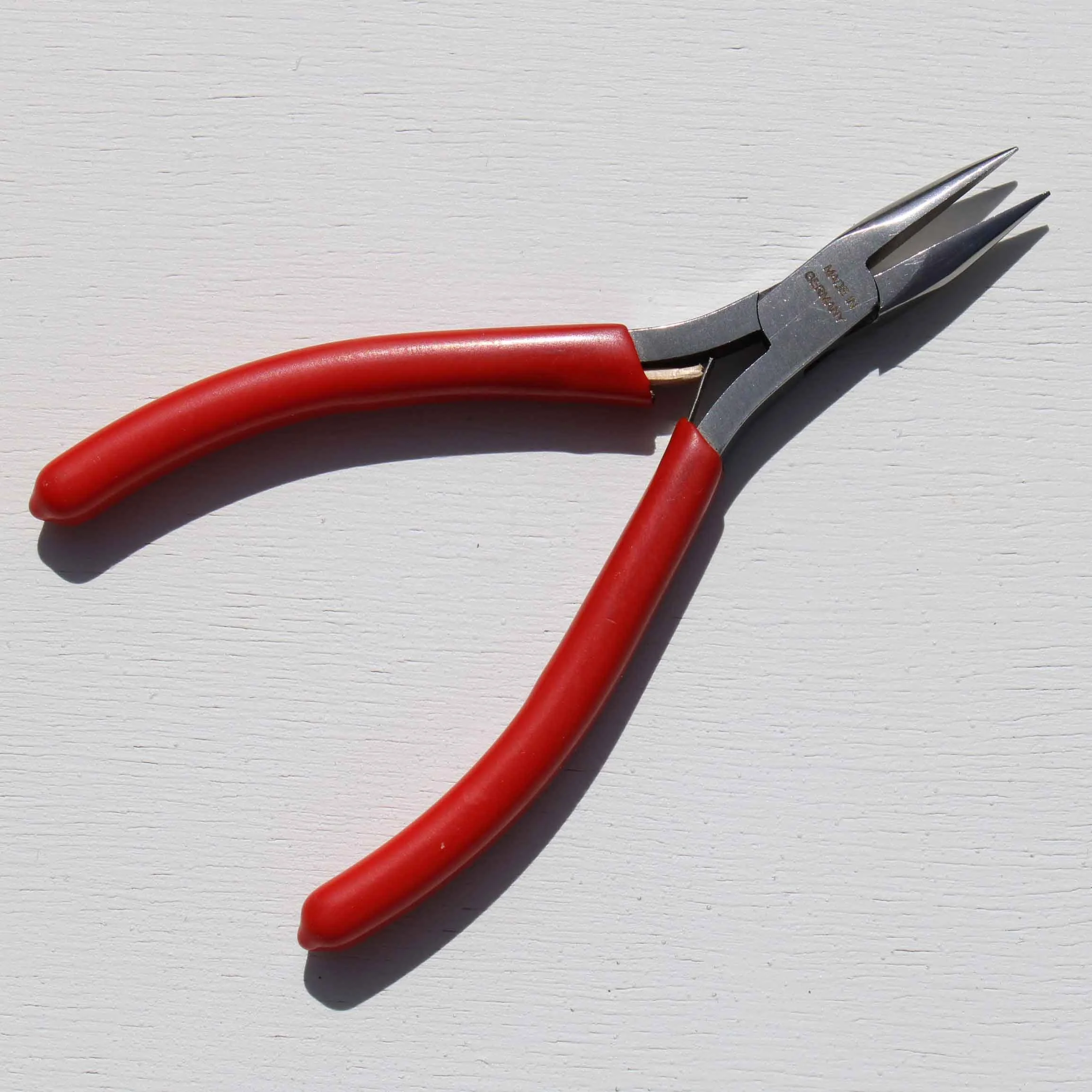
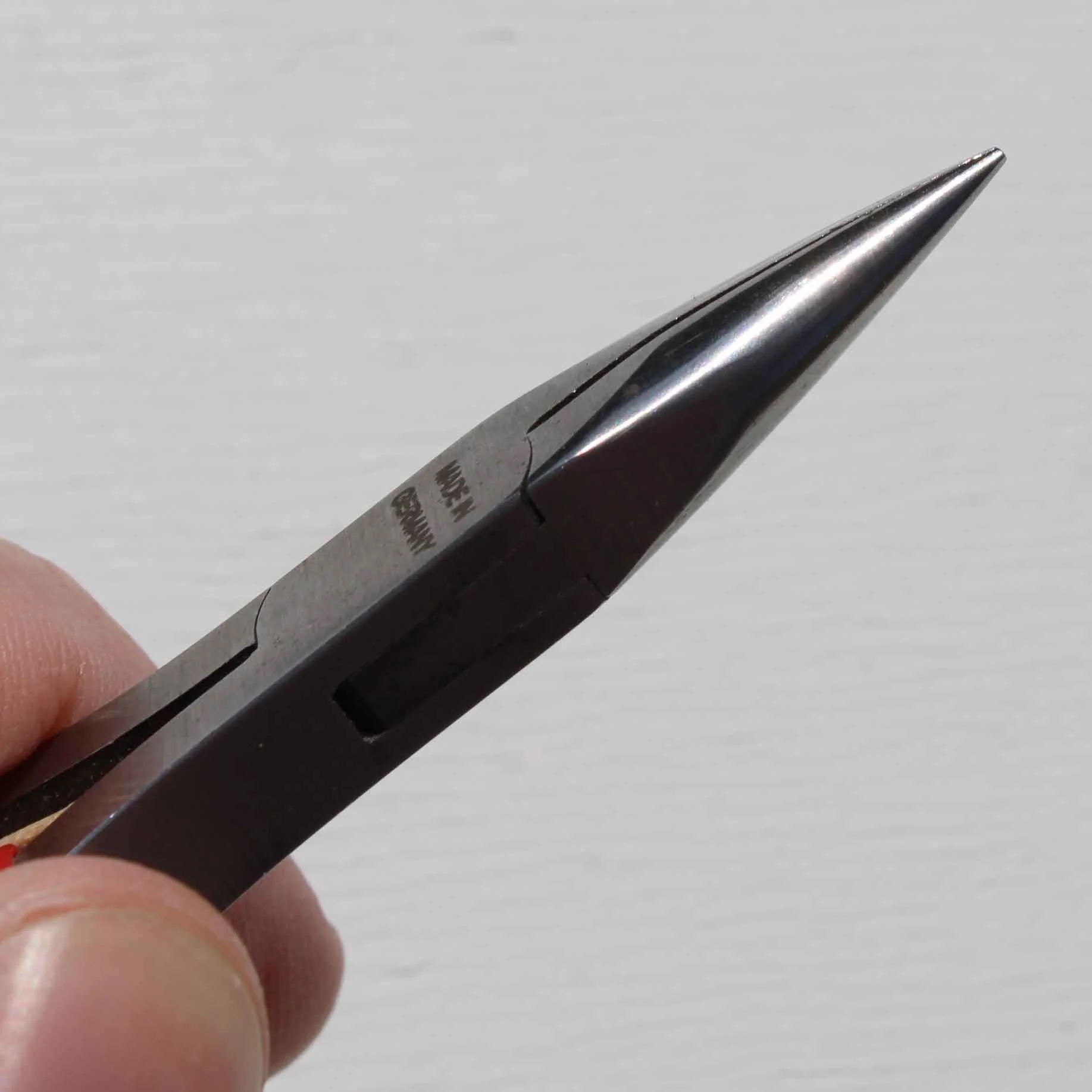
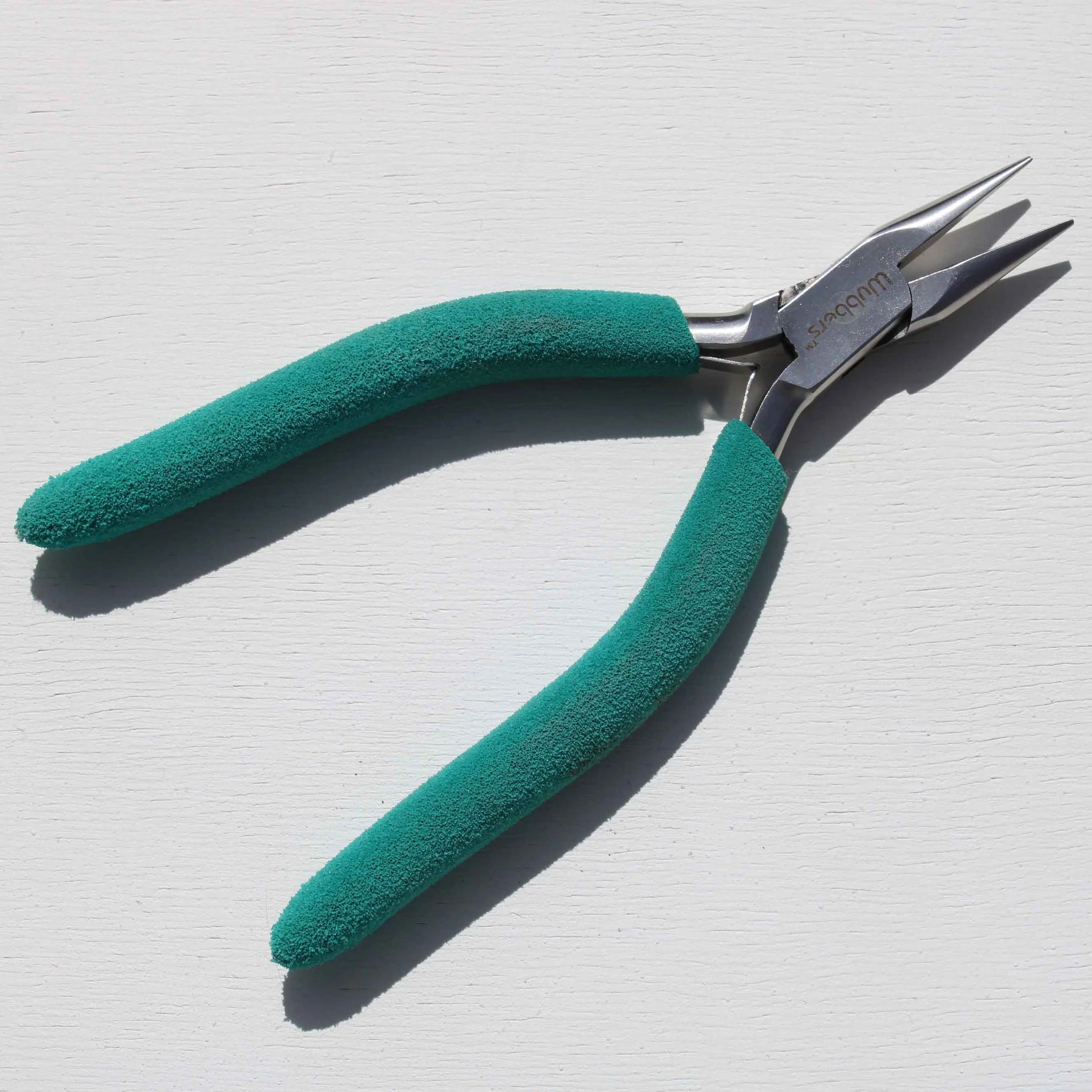
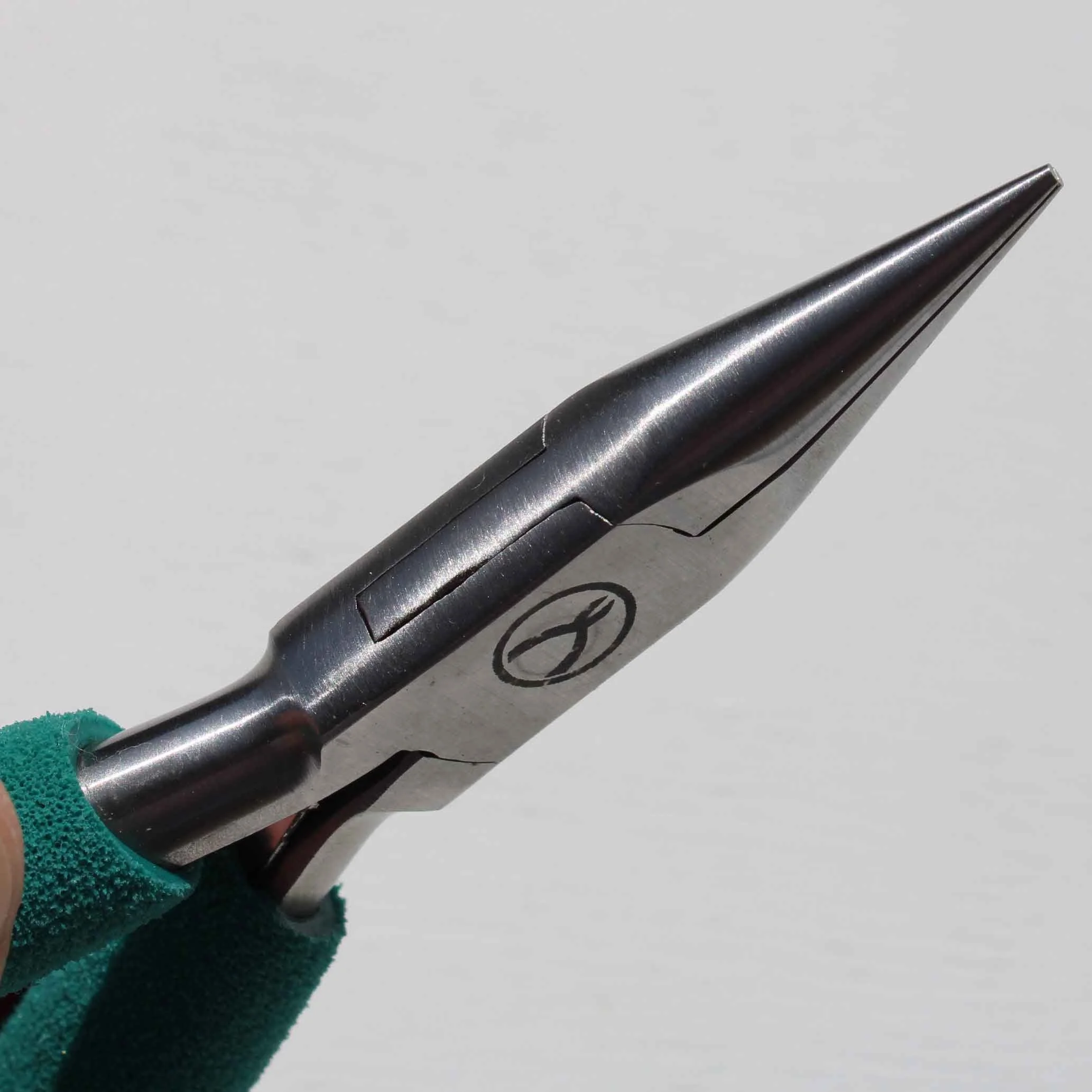
Wubbers PLR-1234 chain nose:
Good pliers to start with as a beginner. They are affordable, decently well made, and plenty reliable. They have a nice stout taper that works well with looping 19 gauge wire, and can work well enough for wire wrapping with 21 gauge wire as well.
Their larger size and large handles makes them a little bit clumsy to use and can make working with smaller wire gauges difficult and messy. They have a few hallmarks of cheaper tools, with less than perfect finishing and a few rough edges, but are a great option for a beginner to pick up and replace later once they learn what they really need.
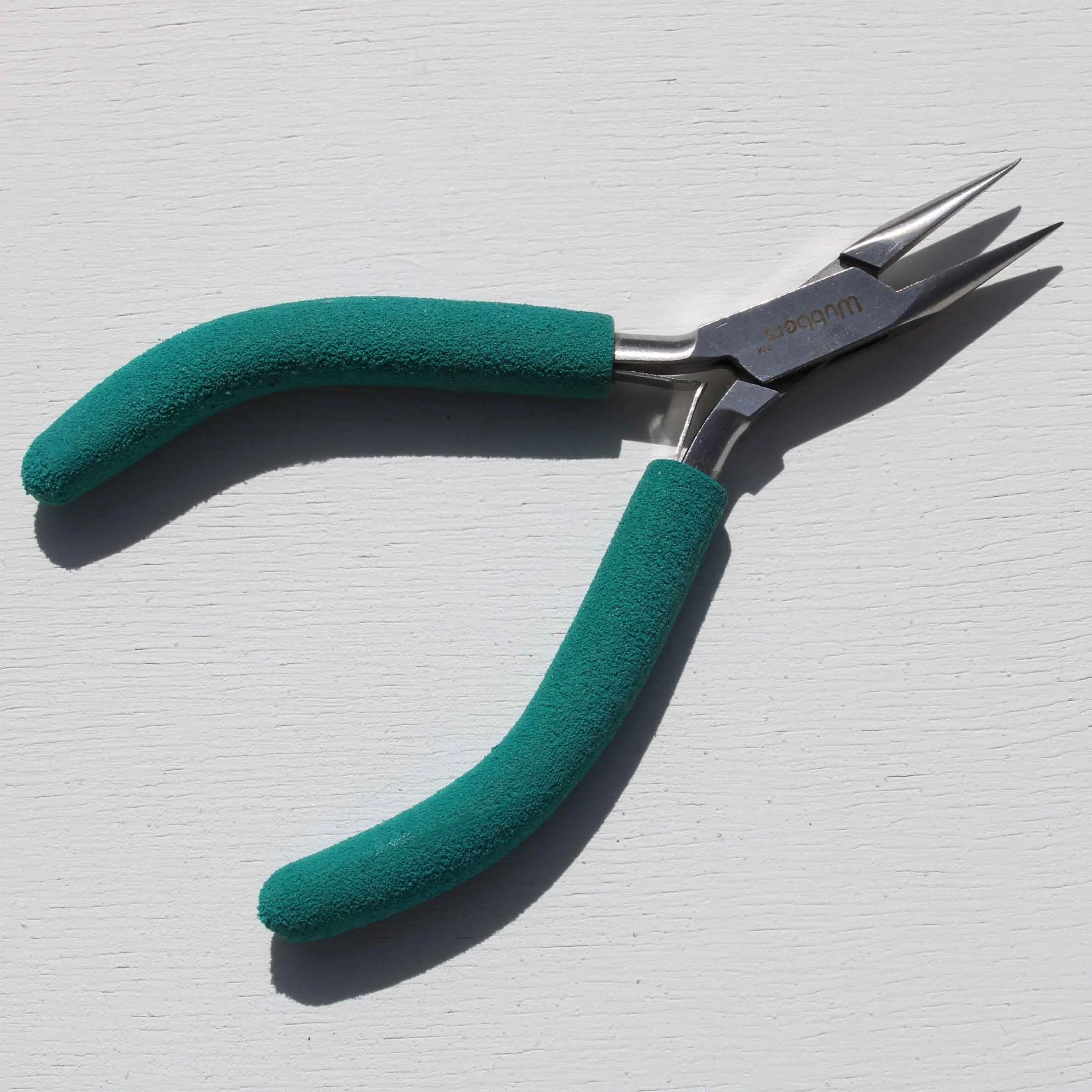
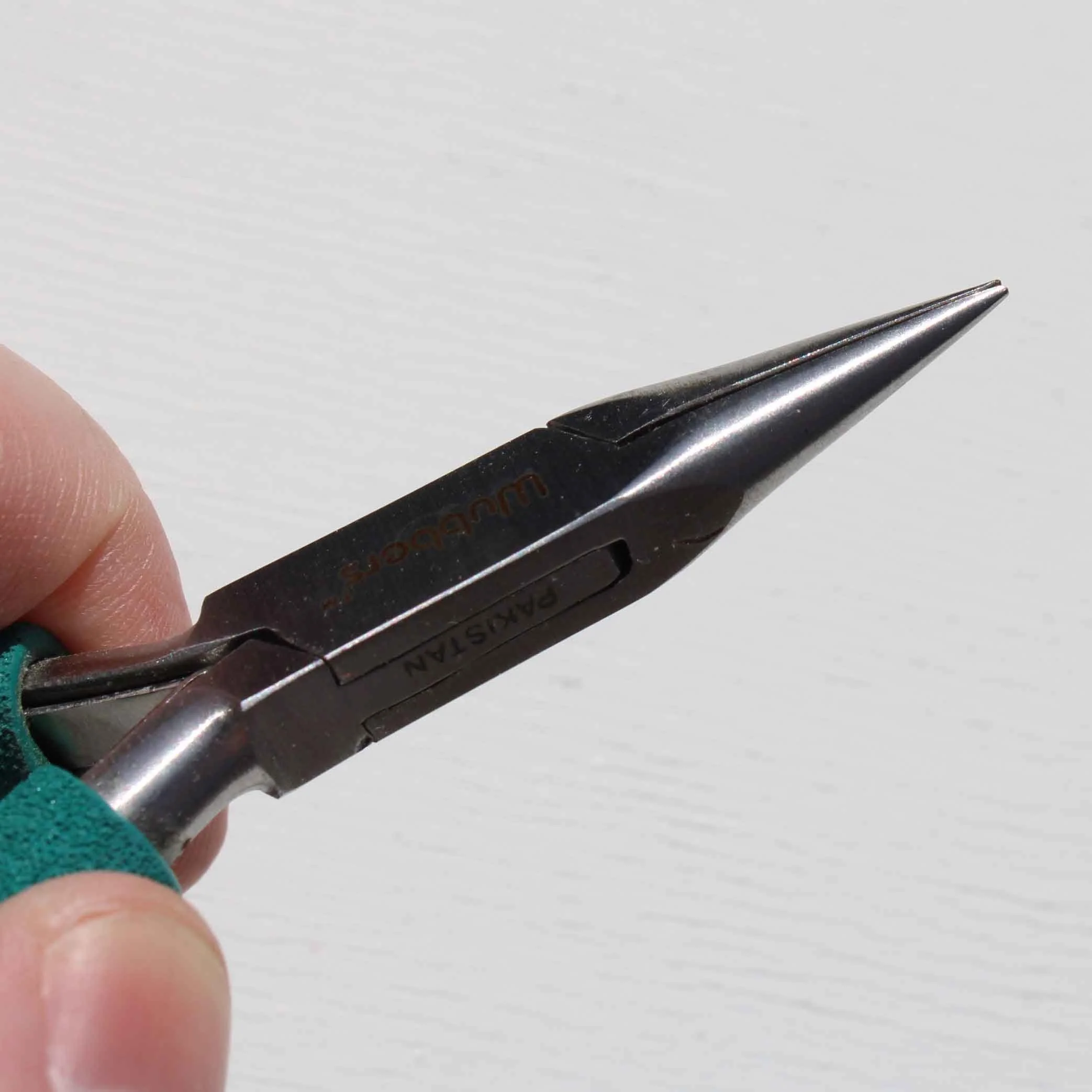
Baby wubbers chain nose:
A smaller and thinner version of the normal wubbers chain nose. They are similarly affordable and good enough quality to not let you down. Their smaller size makes them suited to working with 20 gauge wire for loops, and their thin profile makes them good for wire wrapping with 21 gauge or smaller wire. We recommend these as a good starter choice for new rosary makers.
Being a smaller and cheaper tool, trying to use them for 19 gauge or larger wire will be difficult and could possibly damage them. They are likely to leave marks or damage your wire if you apply to much force when using them, so use them delicately.
Generic chain nose:
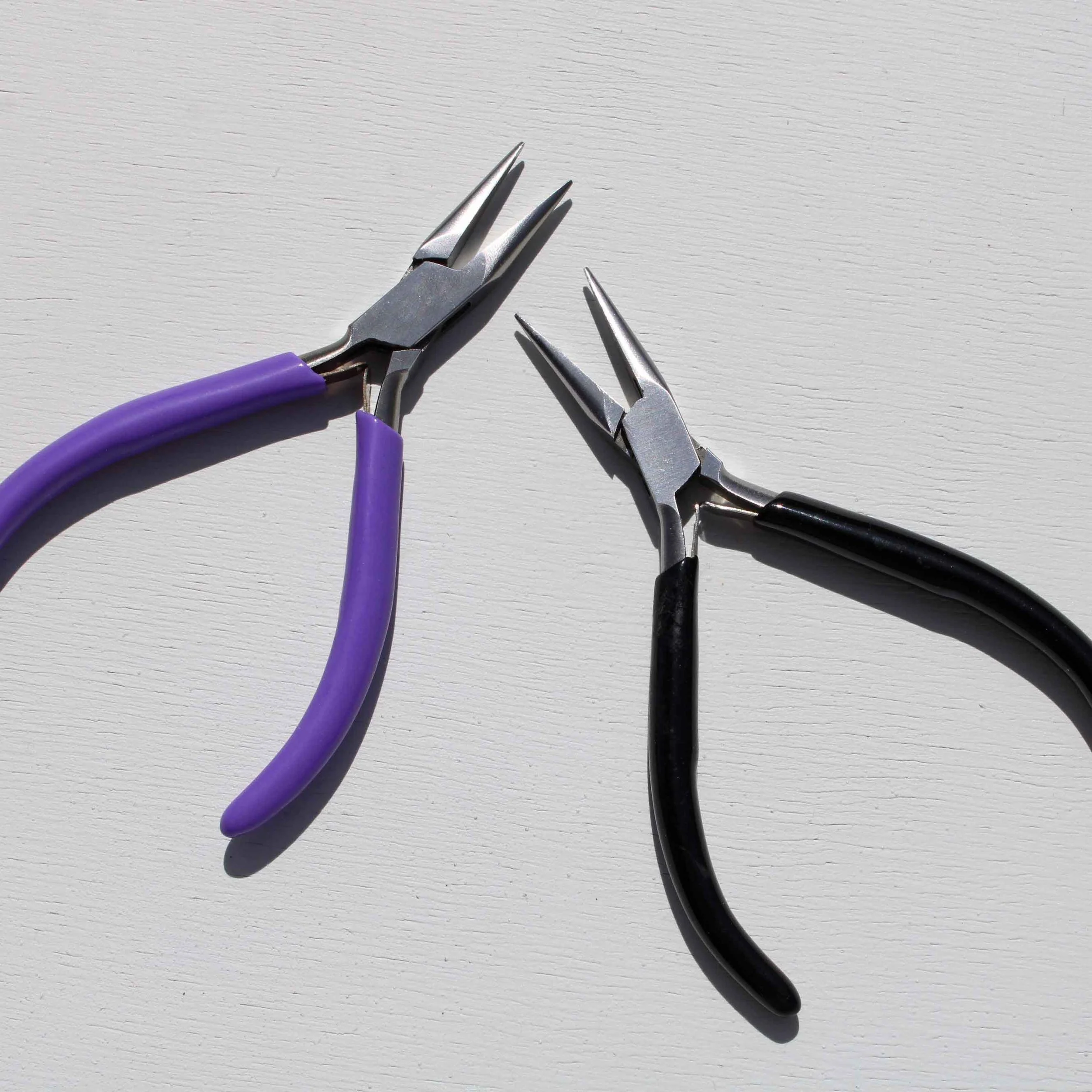
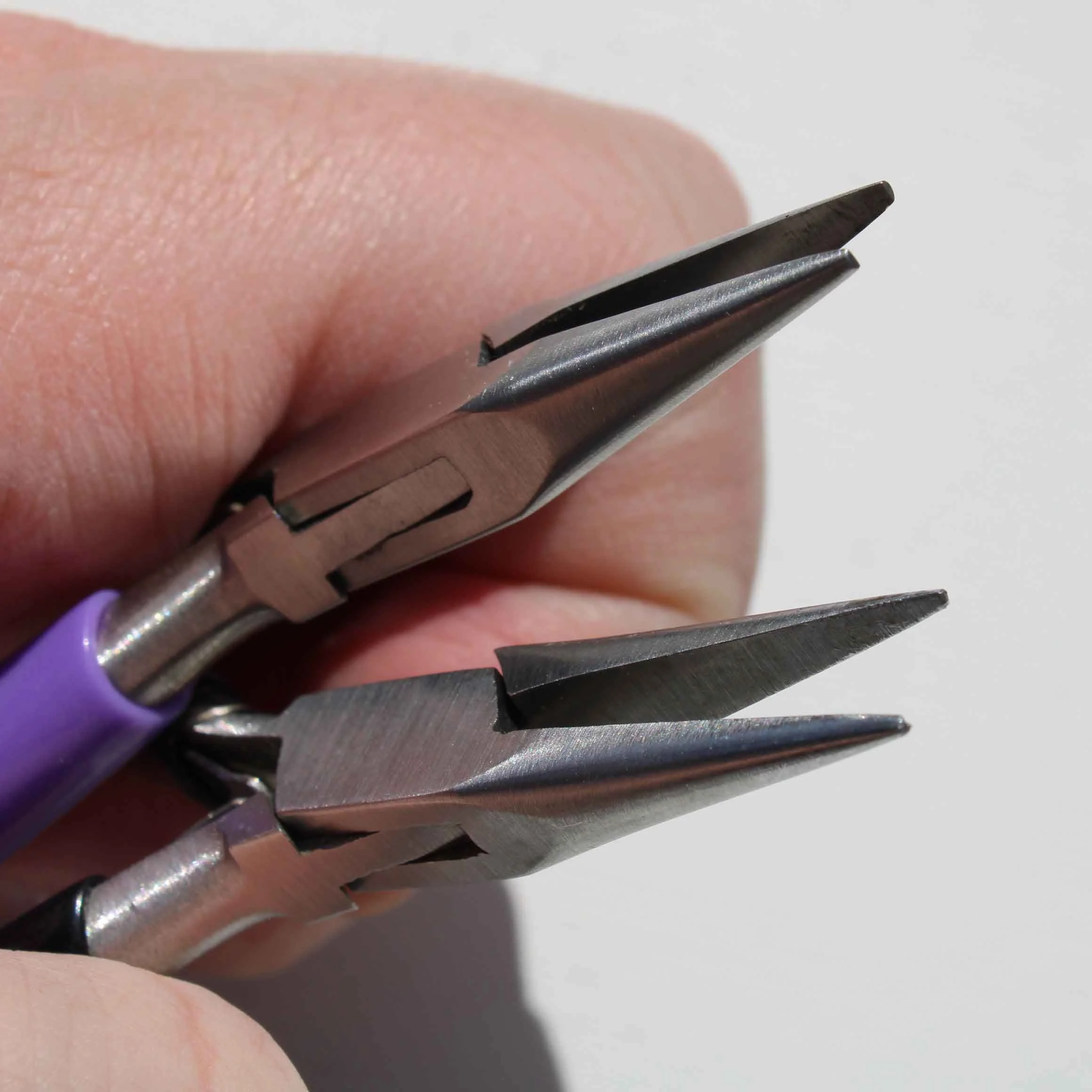
They type of tools you often get for cheap at department stores or in small kits. They are typically low quality and poorly finished, but are nonetheless useful to keep around. They are often quite small and thin, allowing you to reach into tight spots where larger tools may not fit. While it may be tempting to buy cheaper tools like this if you are a beginner, keep in mind it may make learning more difficult, as you will end up dealing with problems you may not have had if you started with a higher quality tool.
Tools like this are prone to having a loose or unsecure grip, loose or unevenly ground jaws, and uncomfortable handles.