Round Nose Pliers:
Round nose pliers are essential for rosary making. They are necessary for forming loops and wire wraps; the round tapered tips help you form nice round loops of wire to keep everything neat and pretty. The size and shape of your round nose largely determine what gauges of wire you can work with. Using your round nose with wire that is too thin for them is difficult and results in a messy end product, and using wire that is too large requires extra strength and will prematurely wear out your tools and your wrists.
With most round nose, you want to work the wire about 1/5th of the way up the jaws from the tip, rather than right at the end. They are much stronger a little farther up, and won't bend or move as much. Working farther up the tool also puts less stress on the jaws and your hands. Below is a list of tools we use regularly, alongside a description of when to use them and how they perform.
Wubbers round nose (PLR-1235):
A large and strong round nose plier suited for 19 gauge wire. They are plenty durable and reliable and feature long handles for extra leverage and comfort. The leverage makes working with thicker wire much easier even for people with weaker hands. They can be used to work with gauges heavier than 19ga as well if you move up the jaws and work near the base rather than close to the tips. Working near the base of the jaws while making bowties wraps will let you make extra large bails to fit large crucifixes or medals.
They are of decent quality, but often have inconsistent sizes at the very tip from one pair to another, so it may be somewhat luck of the draw. They hold up well to regular use, with the only part that might really wear out or break being the small flat springs between the handles. These are my go to round nose for working with 19 gauge wire.
Baby Wubbers round nose:
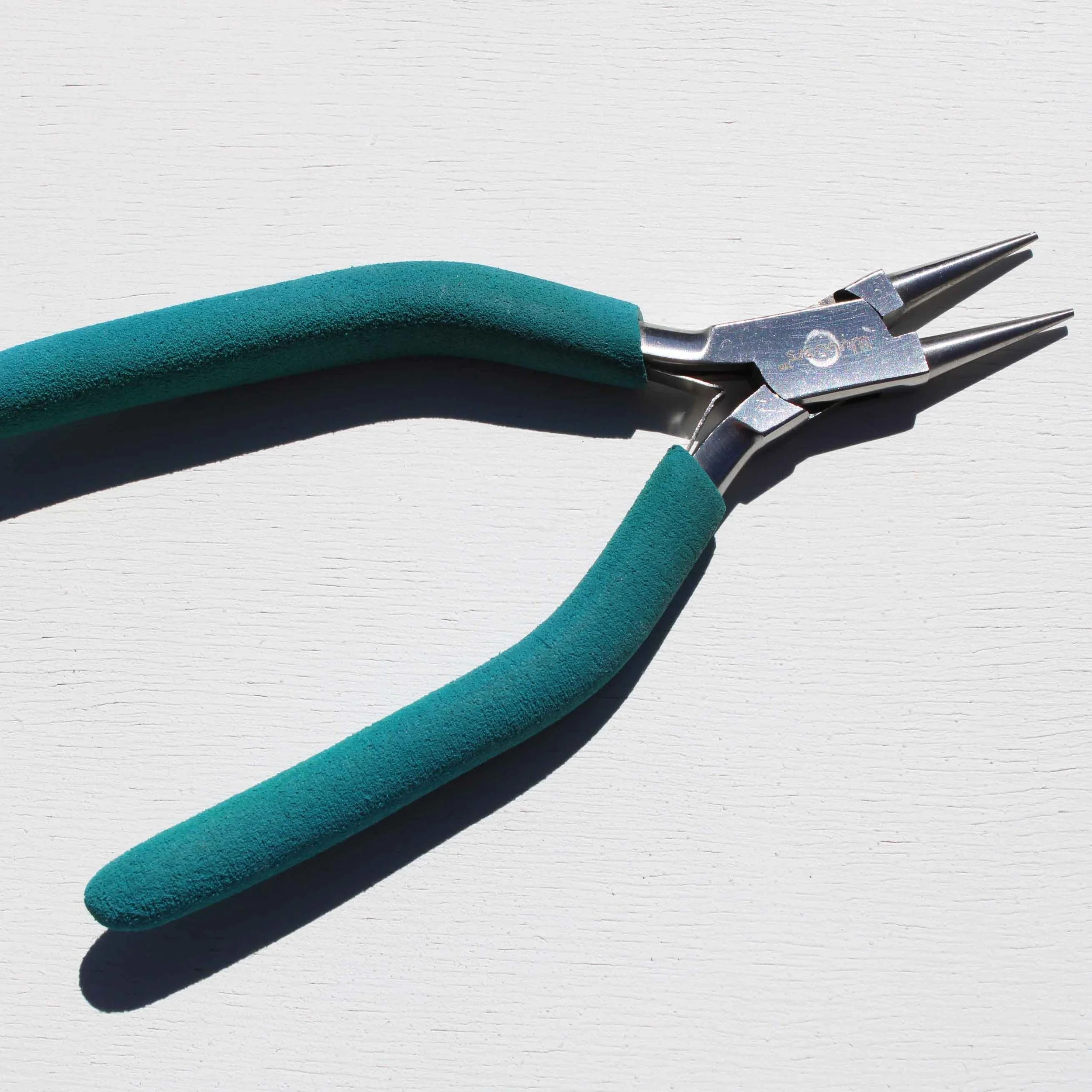
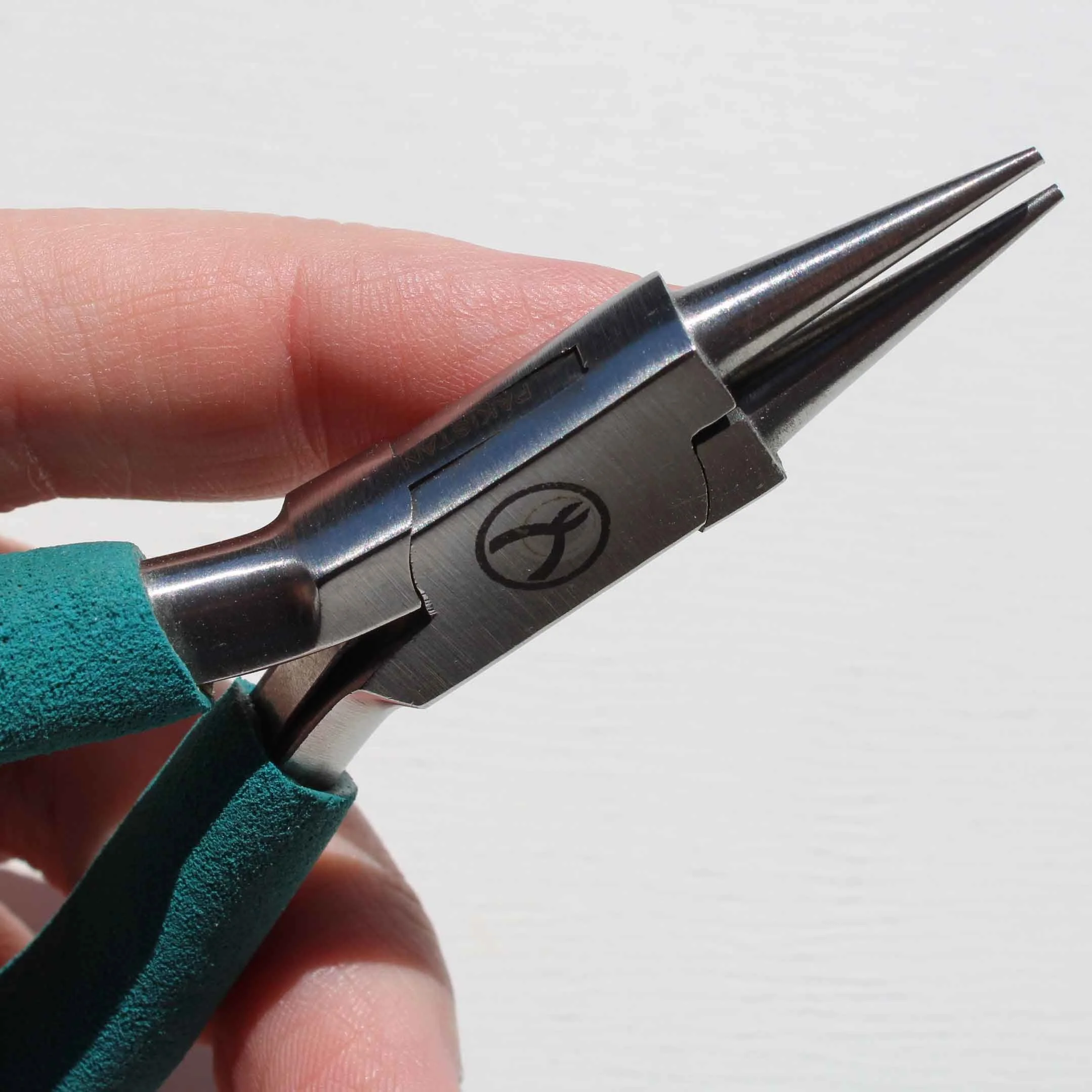
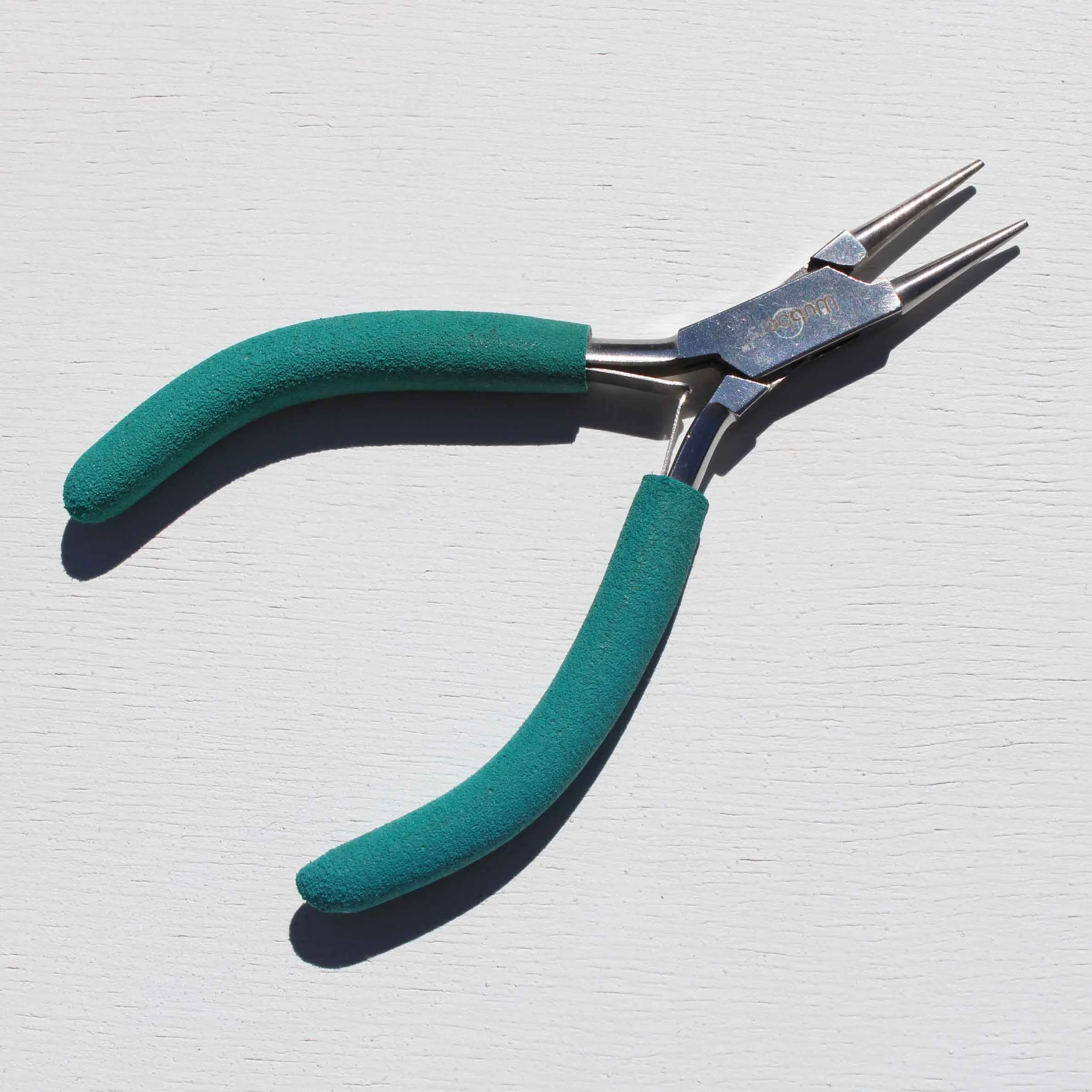
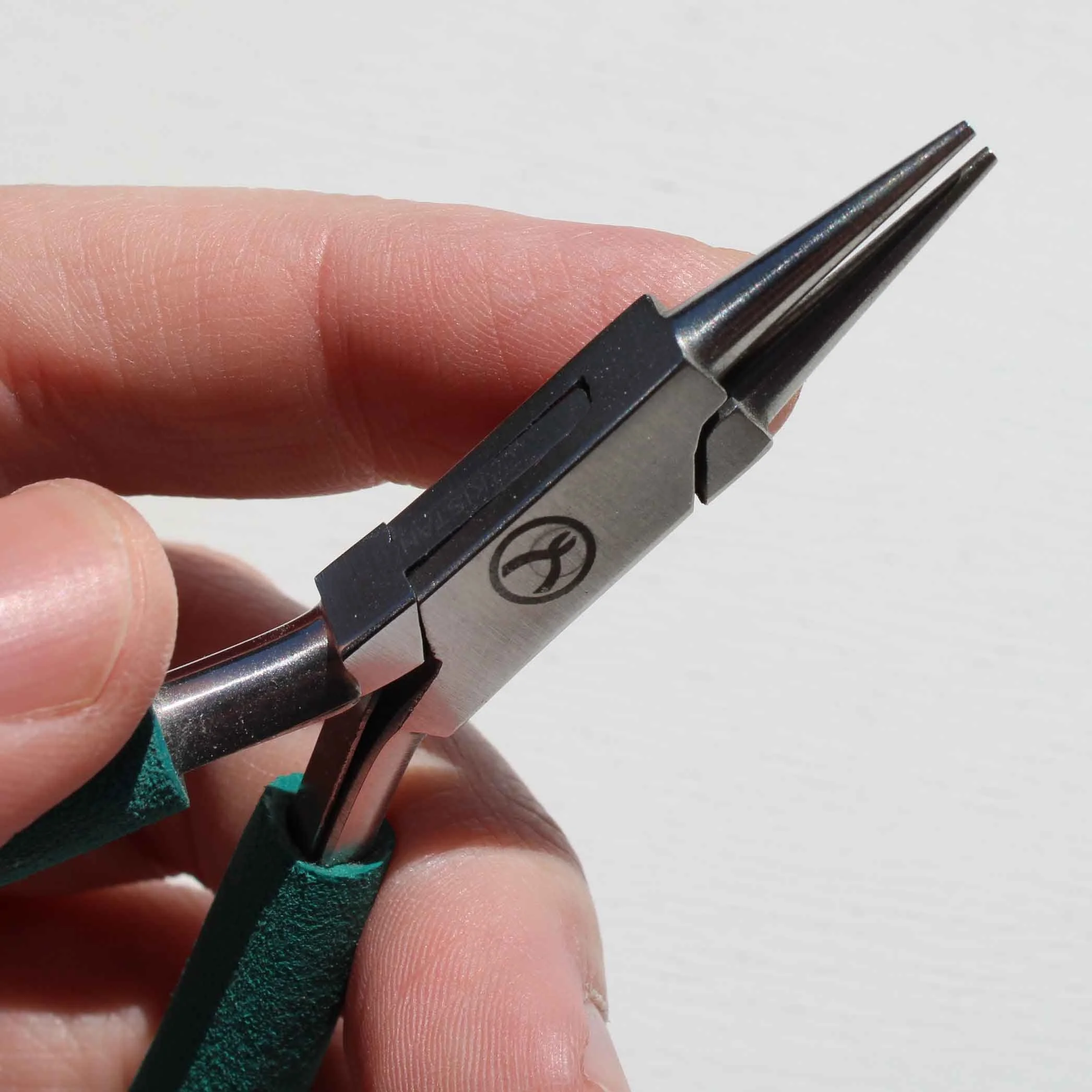
A smaller and lighter weight version of the standard wubbers round nose, suitable for 20 gauge or smaller wire. They have a nice gradual taper that makes learning to loop easy, and the small handles and light weight make them fit well in most hands. The gradual taper also lets you adjust the size of your loops on the fly, working closer to the tip resulting in smaller loops and farther from the tip giving you bigger ones.
They share the same problems as their larger cousins, with somewhat inconsistent sizes and quality control. If used with for many years or with larger wire gauges, they can start to become loose or the tips can bend out of parallel with each other, which can make it harder to get your loops neat and tidy. Regardless, these are still my choice of round nose for 20 gauge rosaries.
Tronex P531:
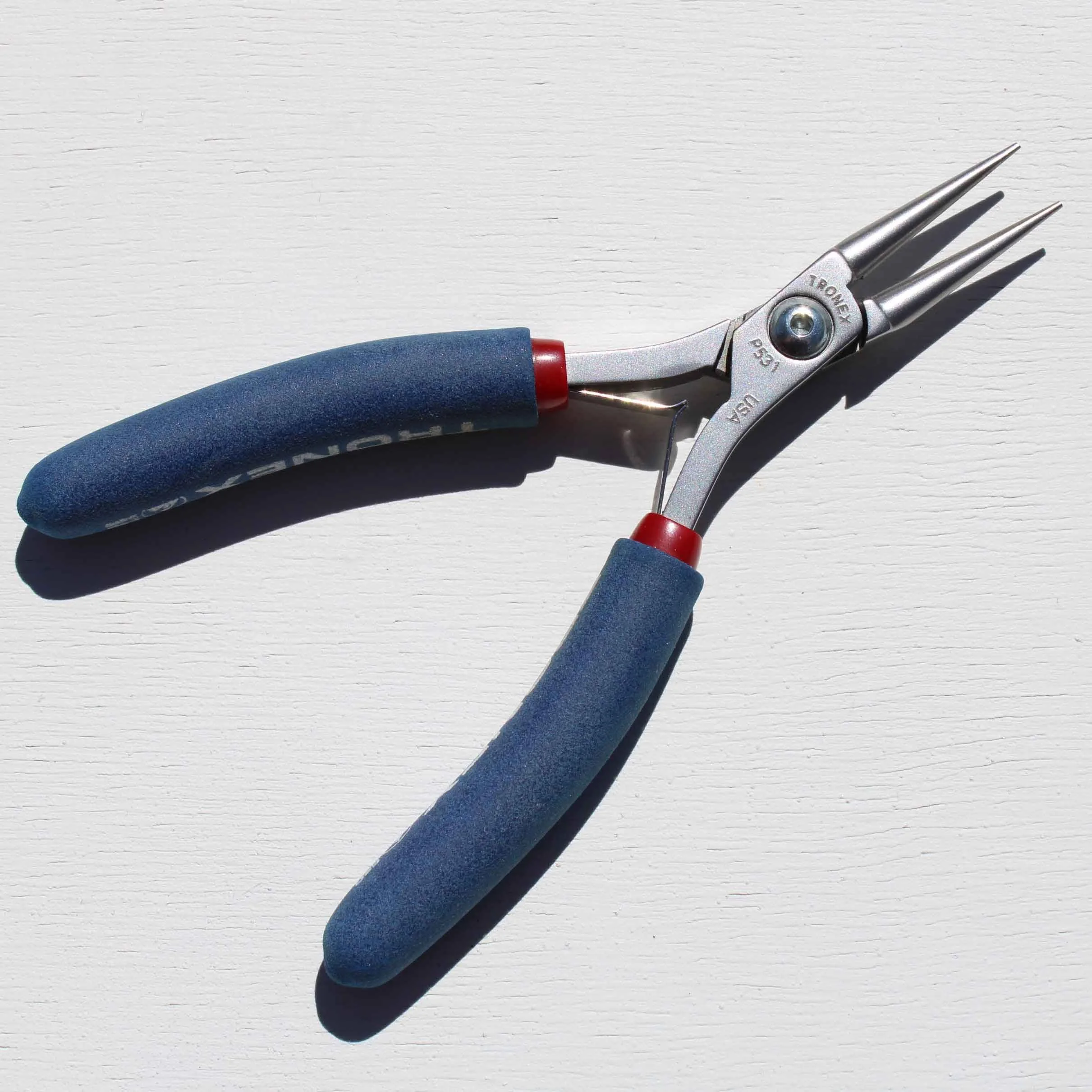
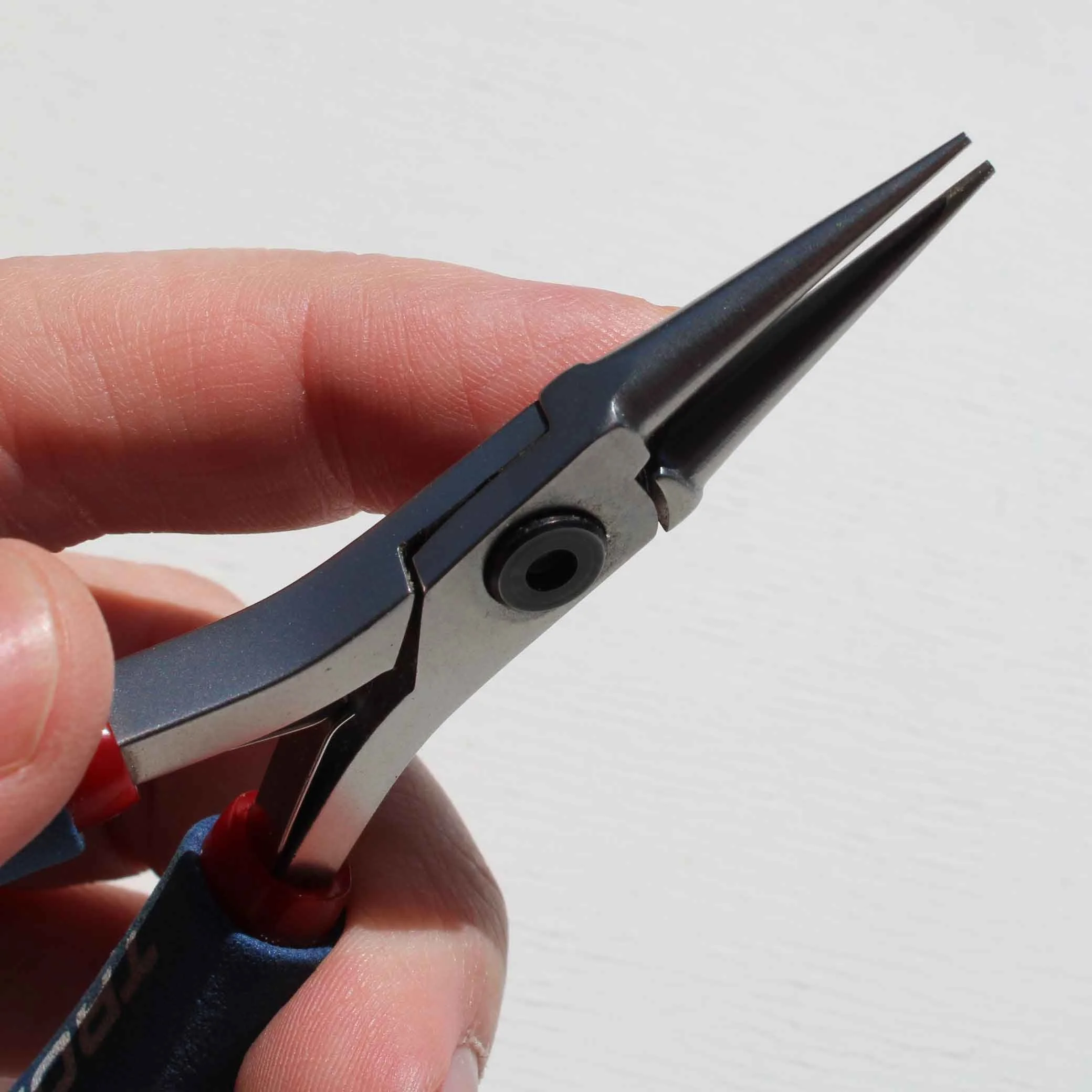
A higher quality pair of round nose. Sturdy, reliable, and comfortable to use. The jaws are a long taper that ends with a fine point. They are suitable for working with 20 gauge wire nearer to the tips, or 19 gauge wire closer to the base. They are well made and durable, with comfortable handles. Once you get used to them, they produce very nice and neat loops.
They are more difficult to use however, since the taper is slightly longer than most and a bit sharper. You have to make sure not to work too close to the tips or your loops will be too small, and working with 19 gauge wire farther towards the base is a little tricky and needs a slightly different technique. They are expensive and better suited for an experienced rosary maker. These are my mother’s favorite round nose and never leave her desk. Or else.
Tronex P532:
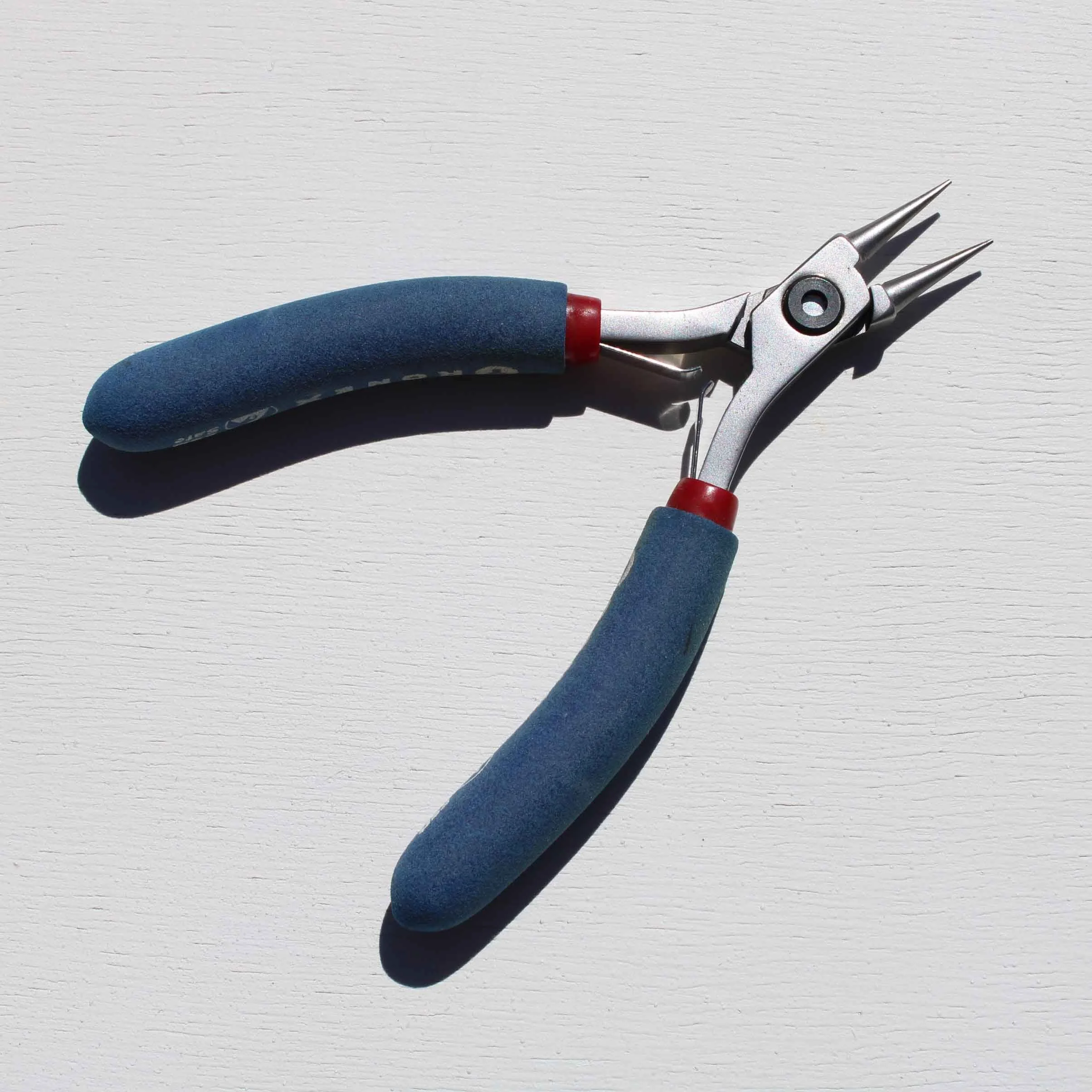
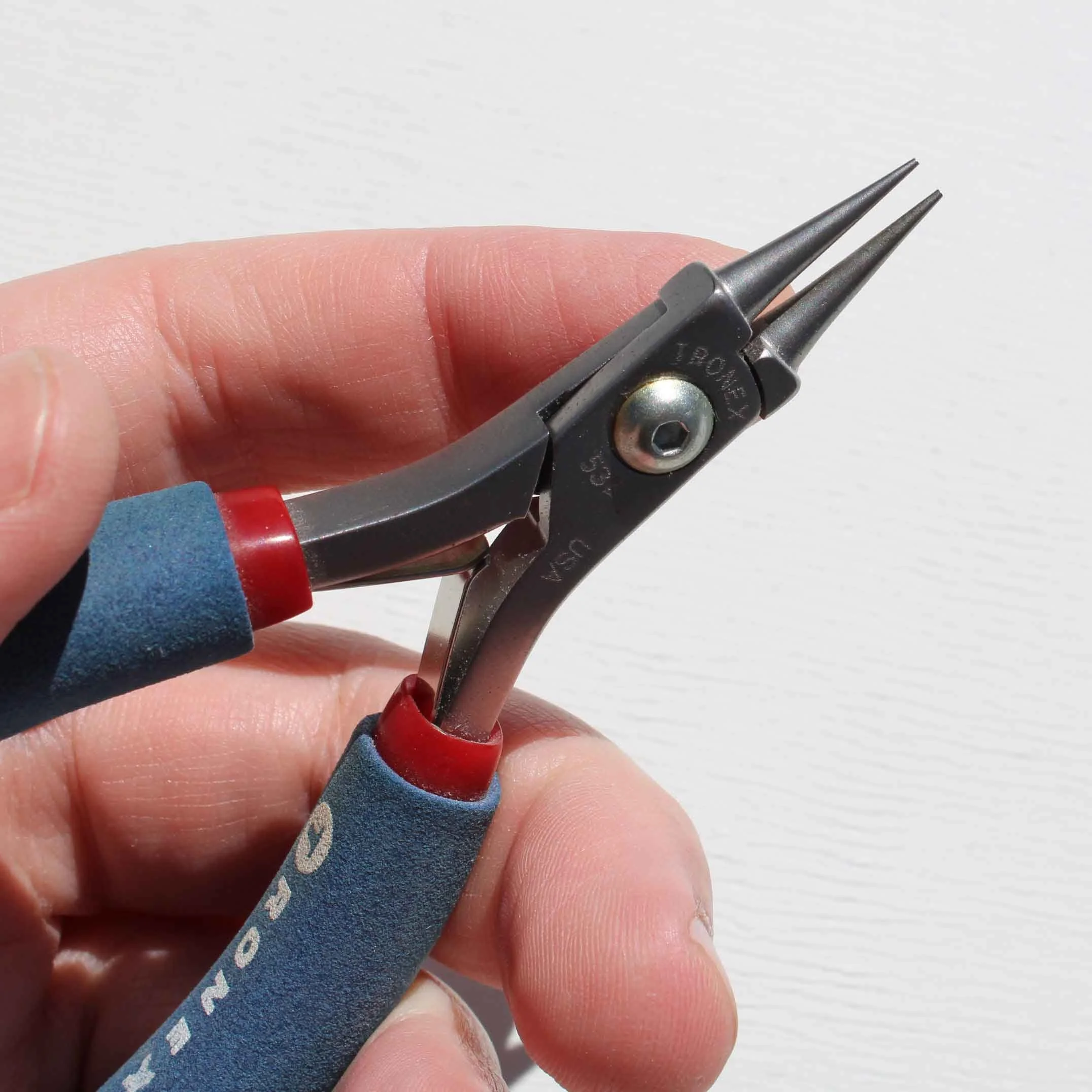
A different style of round nose with a short and very sharp taper. In our experience, these types of round nose are ill-suited for normal looping but can be useful for wire wrapping as they fit into tighter spaces. They are well made and comfortable to use, and unlikely to wear out or break. Suitable for 21 gauge or smaller wire.
They are an expensive option with limited uses, but don't have many flaws aside from that. The sharper tapers make it easier to leave dents or crimps in the wire if you squeeze to hard. They are very well made with comfortable handles and a nice finish. You may consider buying a pair if you make a lot of rosaries or struggle with wire wrapping.
Lindstrom 7590:
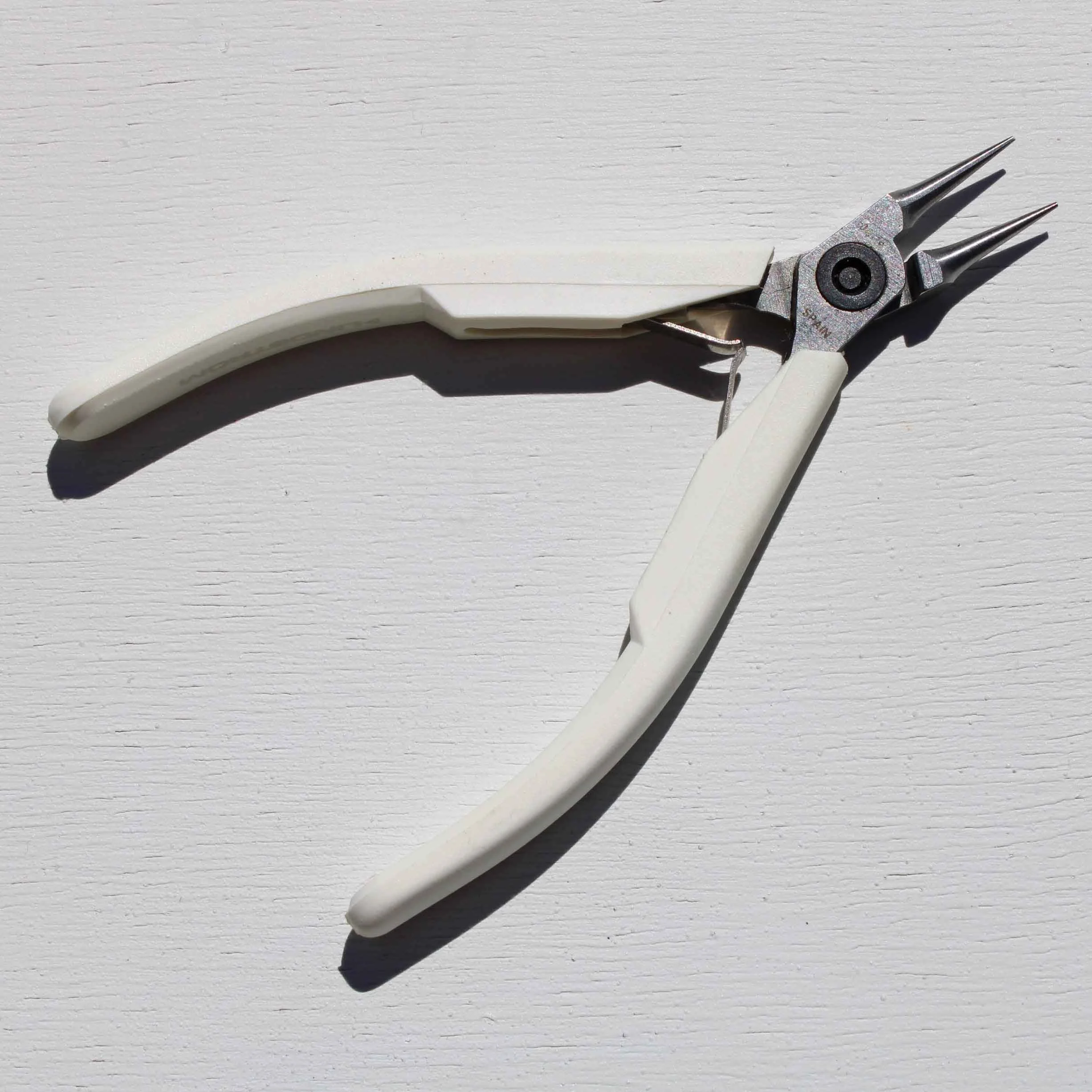
A small, sharp tapered pair of round nose. They are relatively well made and very lightweight. The sharp, small taper makes them unsuitable for looping with 21ga or 20ga wire, but they can be useful for wire wrapping with 22 gauge or smaller wire. They can fit into even the tightest little spaces and are easy to use.
They are somewhat poorly finished at the box joint and handles, with rough edges and poorly polished surfaces, and are pricey to buy. The small size makes them unsuitable for 21 gauge or larger wire, and the small sharp tapers can easily leave dents or crimps in wire if you use too much force.

Generic round nose:
Characterized by cheap cost and poor quality, often sold in kits. Tools such as these are attractive to new rosary makers, but can make it more difficult to learn or result in disappointing or disheartening results. They often have poor construction or design and move or bend while in use, ruining loops and making construction frustrating.
You may consider a pair of these if you usually work with larger wire but occasionally need to manipulate some small (22 gauge or under) wire. They should be avoided in favor of better quality products. The best use for generic round nose is when you are still considering rosary construction as a hobby or business, just to get a feel for looping and wire wrapping.